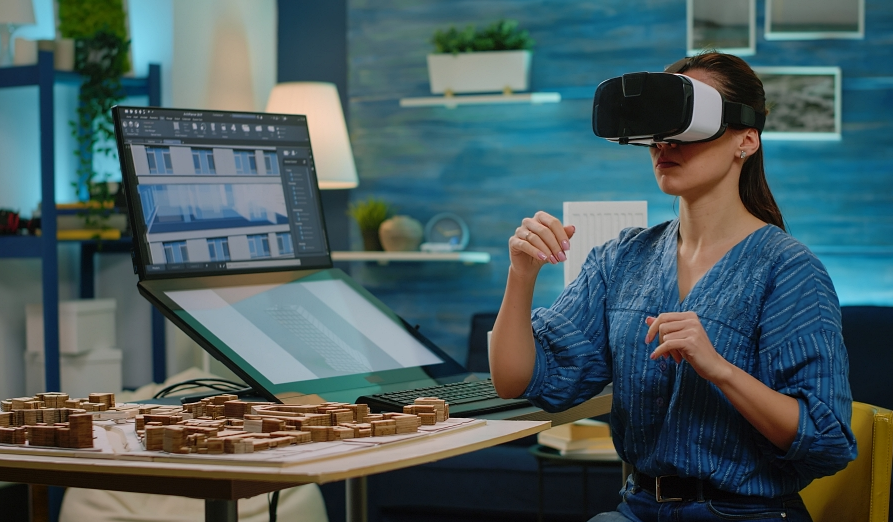
Designing for Virtual Environments
Designing for virtual environments requires a careful balance of creativity and functionality. Empathy for user experiences shapes how spaces are constructed and navigated. Designers must consider how users interact with these virtual realms, ensuring that every element feels intuitive. As technology evolves, new challenges arise in maintaining user engagement. What innovative strategies can be employed to enhance these immersive experiences and ensure they resonate deeply with users?
Enhancing User Experience in Virtual Environments
How can designers truly elevate the user experience in virtual environments?
By fostering immersive interactions and ensuring intuitive navigation, they can create spaces where users feel liberated and engaged.
Thoughtful design allows for seamless transitions and meaningful connections, empowering individuals to explore freely.
In this way, the virtual world transforms into an extension of one’s desires, facilitating a journey that is both enriching and enjoyable.
Essential Tools for Creating Virtual Environments
A diverse array of tools is essential for crafting compelling virtual environments that resonate with users.
3D modeling software enables creators to sculpt intricate spaces, while immersive storytelling techniques engage emotions, inviting exploration.
Together, these tools foster a sense of freedom and connection, allowing users to escape reality and experience new worlds.
Key Principles of Virtual Environment Design
Creating virtual environments requires not only the right tools but also a foundation built upon key design principles that guide the overall experience.
Immersive interaction and spatial awareness are crucial, allowing users to navigate freely and feel truly present.
Designers must prioritize user engagement, ensuring that each element harmonizes to create a seamless journey, fostering a sense of belonging and exploration within the digital realm.
See also: warrenbraithwaite
Effective Strategies for Testing Your Designs
Testing designs for virtual environments requires a thoughtful approach that prioritizes user experience and interaction.
Employing usability testing allows designers to gather insightful user feedback, revealing how individuals navigate and perceive the space.
Conclusion
In conclusion, crafting captivating virtual environments requires a delicate dance of design and user engagement. By blending bold creativity with analytical acumen, designers can forge immersive experiences that resonate deeply with users. Through thoughtful testing and continuous refinement, the journey from concept to captivating reality becomes a symphony of seamless interactions. Ultimately, the aspiration is to transform virtual spaces into vibrant extensions of imagination, where every exploration ignites inspiration and fosters a profound sense of belonging.