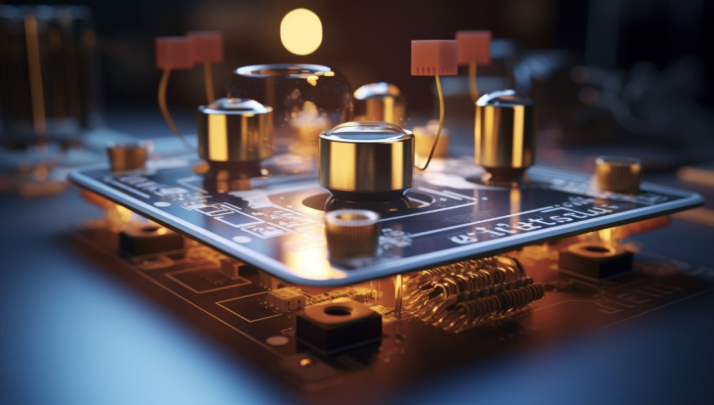
Hardware Miniaturization Explained
Hardware miniaturization is a critical development in modern technology, driven by the need for compact, efficient electronic devices. This process involves reducing the size of components through innovations in materials and design. As industries adapt to these changes, they face unique challenges related to thermal management and reliability. The implications of these advancements extend beyond mere convenience, prompting a reevaluation of future technological trends and their potential impact on consumer experiences.
Understanding Hardware Miniaturization: Importance and Impact
How has hardware miniaturization transformed the landscape of technology?
This evolution has significantly enhanced design efficiency, allowing manufacturers to create compact devices that meet growing market demand.
Smaller components enable innovative designs, leading to portable electronics and smarter systems.
As a result, consumers enjoy greater accessibility and convenience, while industries benefit from reduced production costs and improved performance, fostering a culture of technological freedom.
What Innovations Are Driving Hardware Miniaturization?
As advancements in technology continue to accelerate, several key innovations are driving the trend of hardware miniaturization.
Nanotechnology advancements enable the creation of smaller, more efficient components, while enhanced circuit integration allows for complex functionalities within compact designs.
These innovations not only reduce size but also improve performance, granting users greater freedom and versatility in their devices and applications.
What Challenges Do Engineers Face in Making Hardware Smaller?
While the drive for miniaturization in hardware offers numerous advantages, engineers encounter a host of challenges that complicate the process.
Effective thermal management becomes increasingly difficult as components shrink, leading to potential overheating.
Additionally, achieving seamless component integration without sacrificing performance or reliability poses a significant hurdle.
Balancing these factors is essential for advancing hardware technology while maintaining functionality and user experience.
See also: Digital Therapeutics Explained
Future Trends in Hardware Miniaturization: Industry Impacts
Innovations in hardware miniaturization are poised to reshape various industries, leading to significant shifts in product design, manufacturing processes, and consumer experiences.
IoT advancements will drive consumer demand for smaller, more efficient devices, compelling manufacturers to reconsider design considerations. As hardware becomes increasingly compact, economic implications will emerge, influencing production costs and market dynamics, ultimately fostering a landscape of innovation and consumer freedom.
Conclusion
In the ever-evolving landscape of technology, hardware miniaturization emerges as a powerful catalyst, transforming bulky behemoths into sleek, portable marvels that fit seamlessly into the palm of one’s hand. As engineers navigate the intricate dance of innovation and challenge, they sculpt the future with the precision of a master artisan. This relentless pursuit not only enhances consumer experiences but also reshapes entire industries, heralding an era where the smallest components wield the greatest influence on our digital lives.